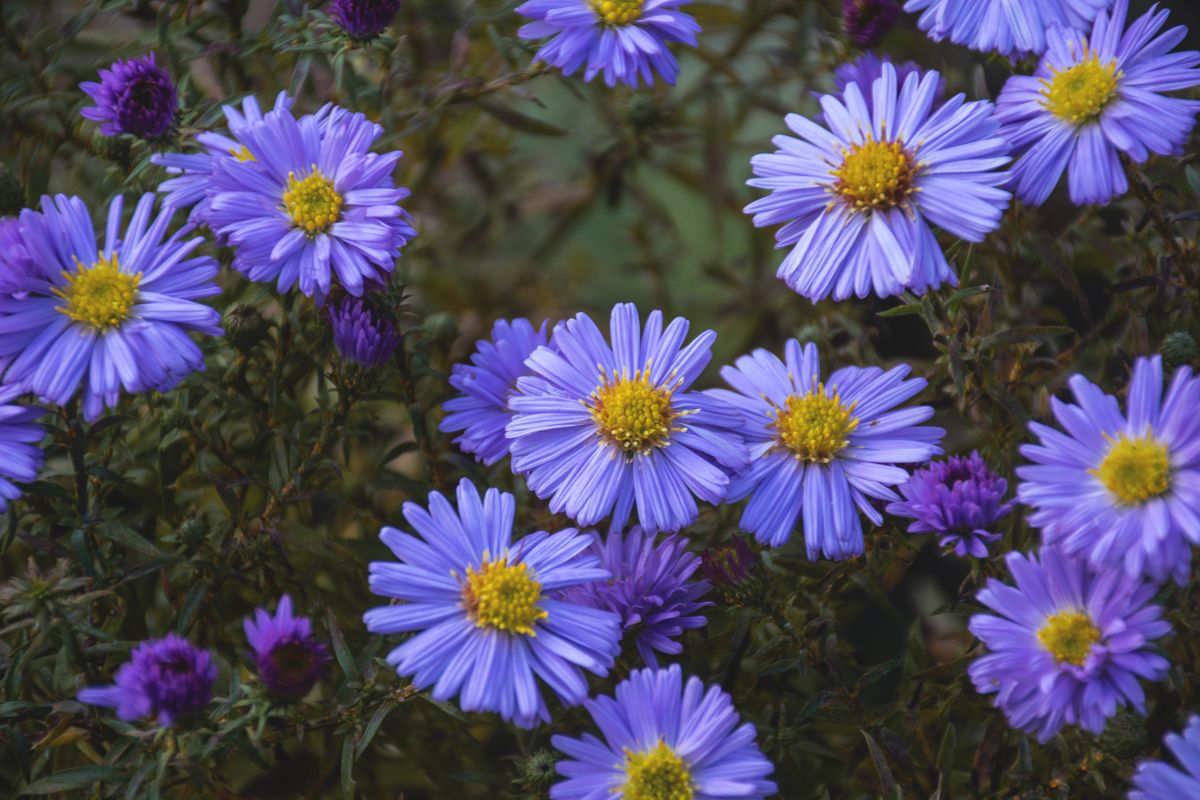
Purple Dome packs the whole New England aster show into a neat knee-high mound. Sun, sharp drainage and a spring pinch — that is the whole recipe. It sounds specialist, but like most gardening it comes down to a few fundamentals done in the right order — this guide walks through them one at a time, with the timings and quantities that actually matter.
What you will need
- A Purple Dome aster plant or young divisions
- The sunniest bed you have
- Free-draining soil — asters hate wet feet
- Compost for the planting hole
- Secateurs for deadheading and the spring cut-back
- Mulch for winter protection
Step by step

Step 1
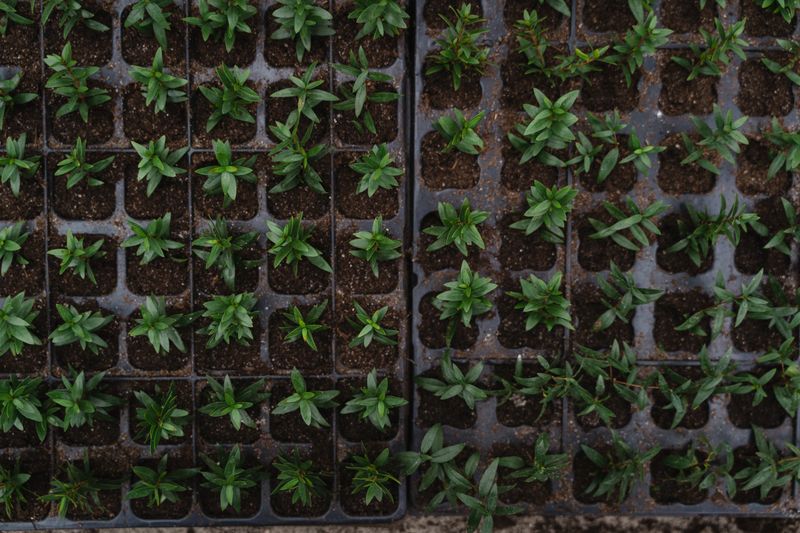
Choose a healthy plant with sturdy green stems and unopened buds — inspect the roots before you buy, and pick a spot in full sun, because shade makes Purple Dome stretch tall and flop instead of holding its dome shape.

Step 2
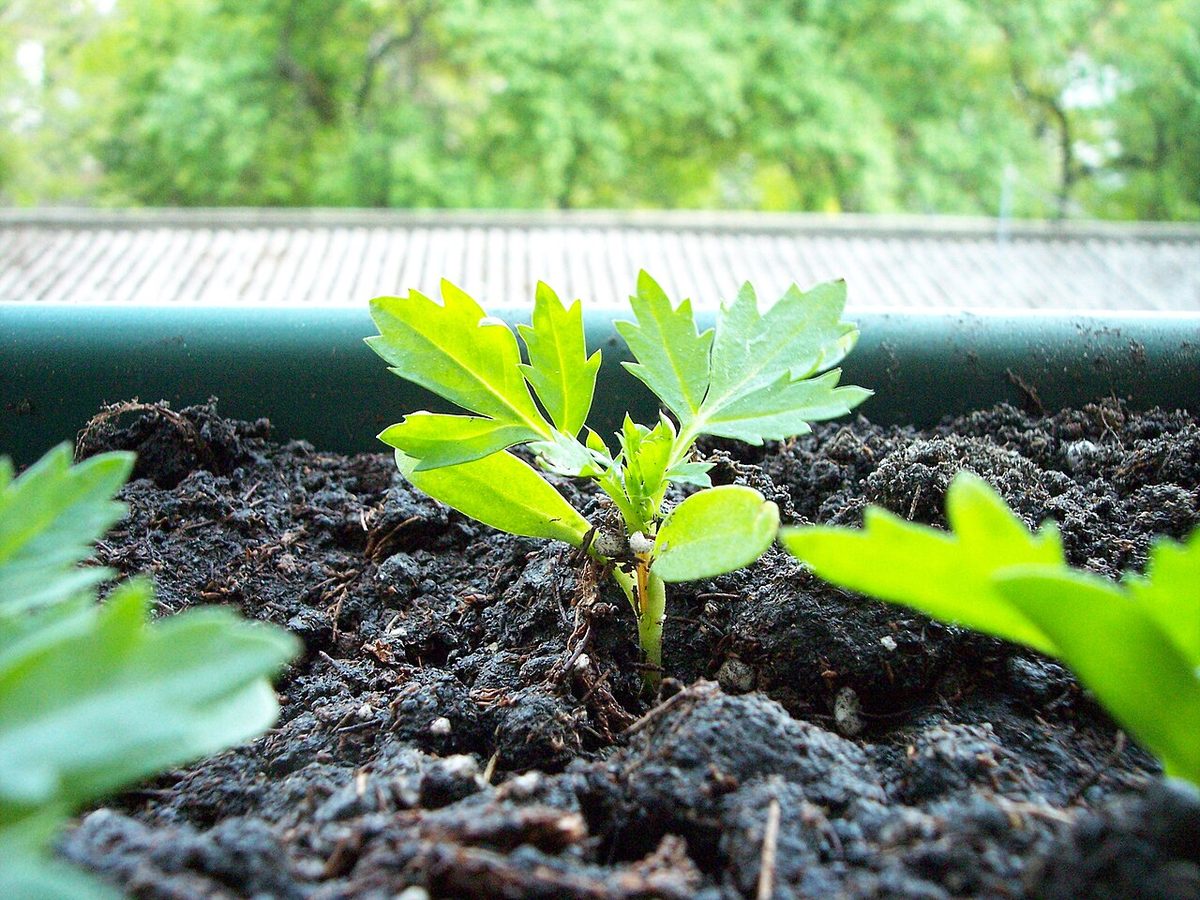
Plant in autumn or spring so roots establish before summer stress — set it at the same depth it stood in the pot, firm the soil, and water in well; autumn planting gives the biggest first-year dome.
Step 3
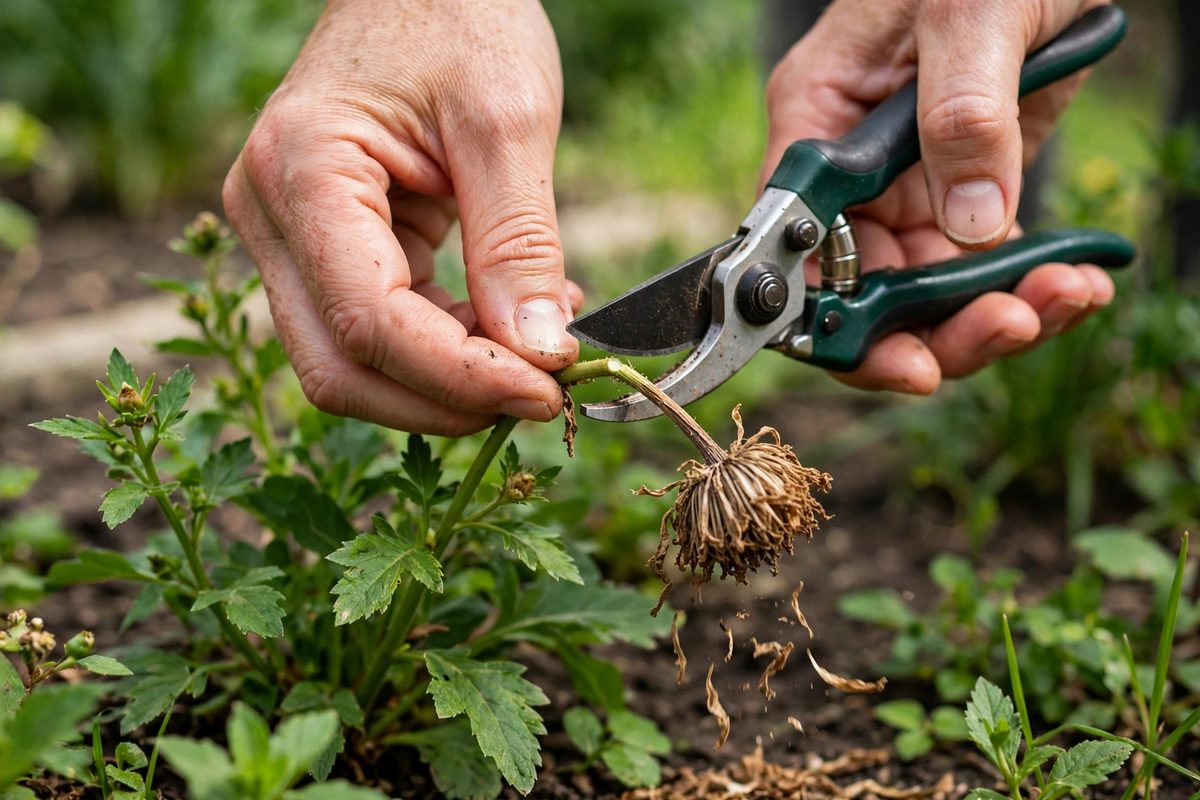
Deadhead the spent blooms weekly through the fall flush, snipping each faded flower back to a leaf joint — the plant keeps pushing new purple daisies for weeks, and the butterflies work every one.
Step 4
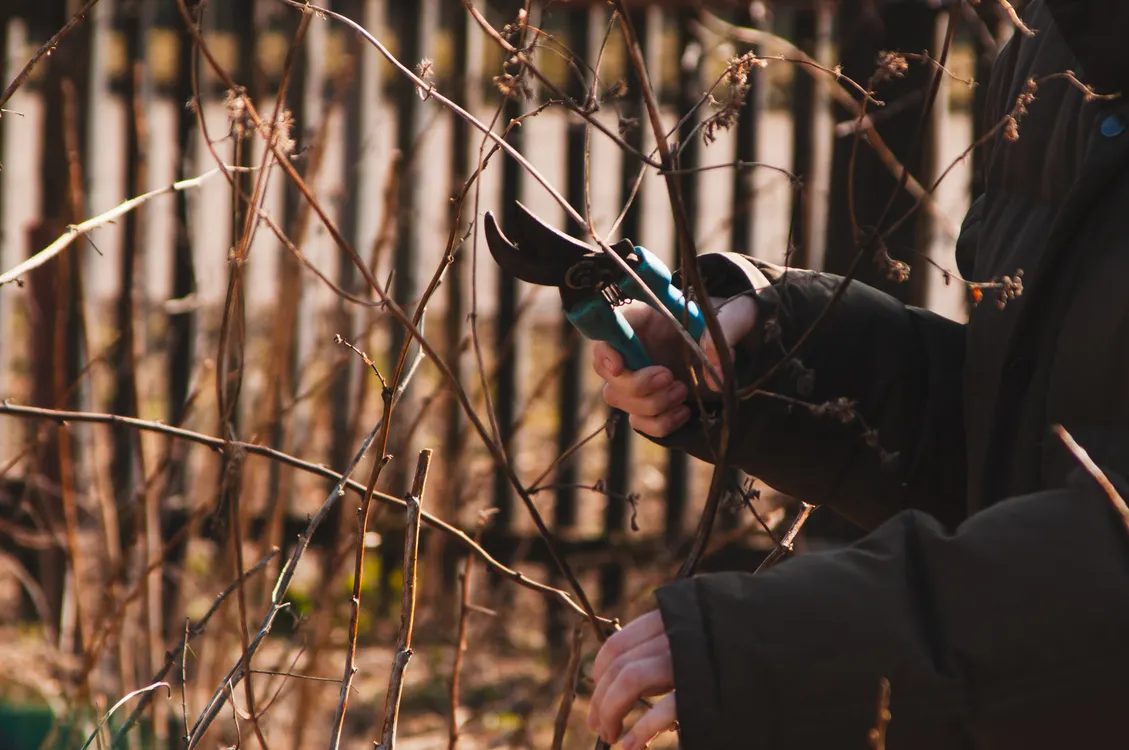
Cut the brown stems back hard in early spring, once the worst frosts have passed — snip them to a few inches and clear the debris, so the fresh shoots come up clean and slugs lose their winter shelter.
Step 5
Top-dress with an inch of compost each spring, kept clear of the crown — it feeds the soil life, holds summer moisture, and gives the plant the lean ground that keeps the dome compact.
Expert tip
Write down the date you do this. Gardening advice is full of ‘weeks later’ — and the gardeners who improve fastest are the ones who can check what ‘later’ actually was.
Common mistakes
Watch out for
- Planting in shade — Purple Dome stretches, flops and barely flowers; full sun is what keeps the dome tight.
- Planting in heavy, wet soil — asters rot in winter wet faster than in winter cold.
- Cutting the stems down in fall — the dead tops shield the crown from frost; leave them until early spring.
Keep exploring this topic with Purple Flower Perennial Plants, or browse the full Flower Gardening section.
Frequently asked questions
How tall does Purple Dome aster grow?
About 18 inches tall and 2 feet wide — a neat, self-supporting mound, unlike the 5-foot species. No staking is needed in full sun.
When does Purple Dome bloom?
Late summer into fall, usually September to October, when most of the garden is fading. Deadheading stretches the show by weeks.