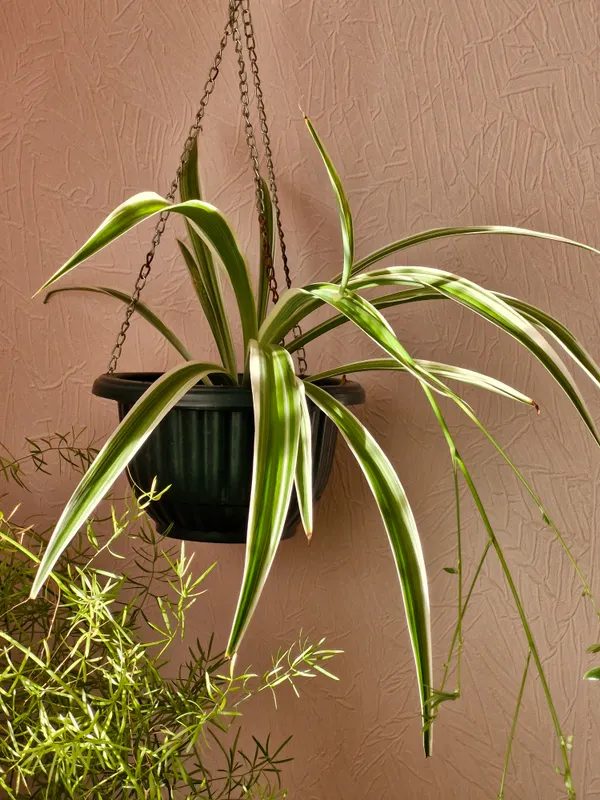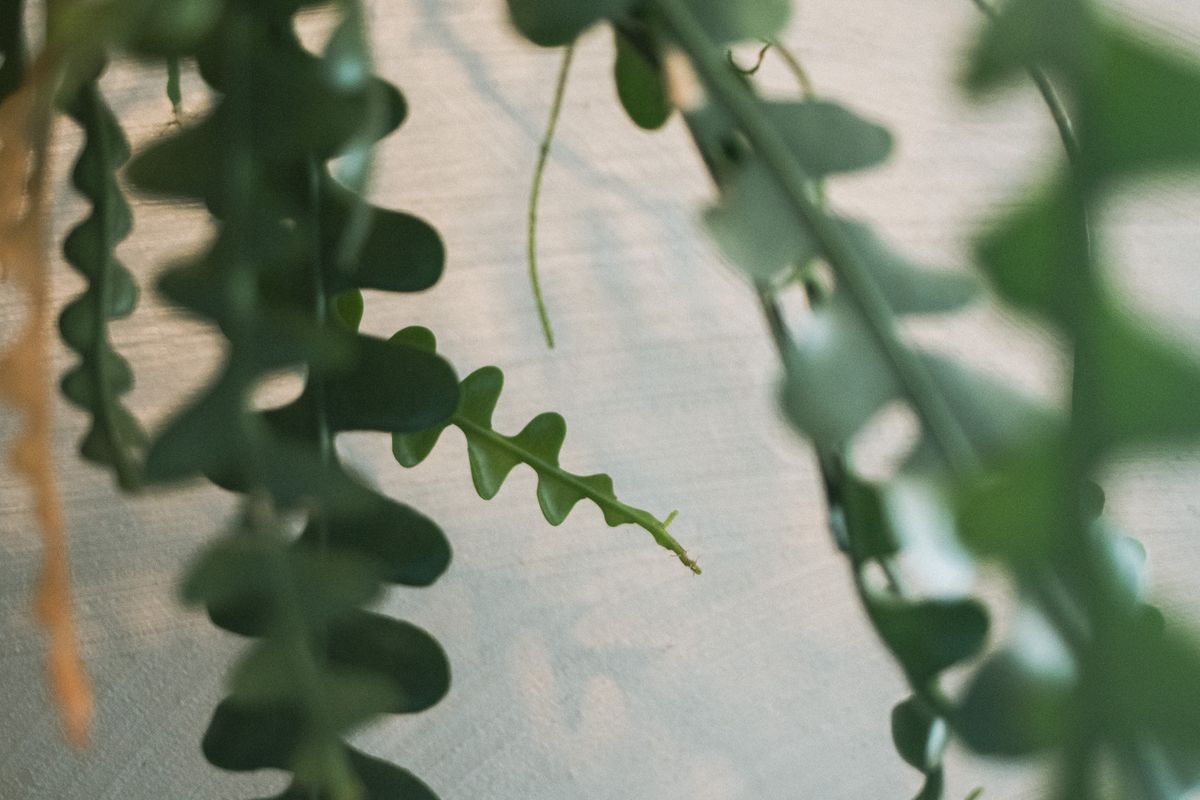
The fishbone cactus is a jungle cactus, not a desert one — it wants bright light, a drink, and something to trail over. The zigzag stems do the rest. It sounds specialist, but like most gardening it comes down to a few fundamentals done in the right order — this guide walks through them one at a time, with the timings and quantities that actually matter.
What you will need
- A fishbone cactus in a pot with drainage holes
- Free-draining cactus or orchid mix with bark
- A bright spot out of direct noon sun
- A hanging basket or high shelf for trailing stems
- A watering can with a narrow spout
- Liquid feed for the growing season
Step by step
Step 1
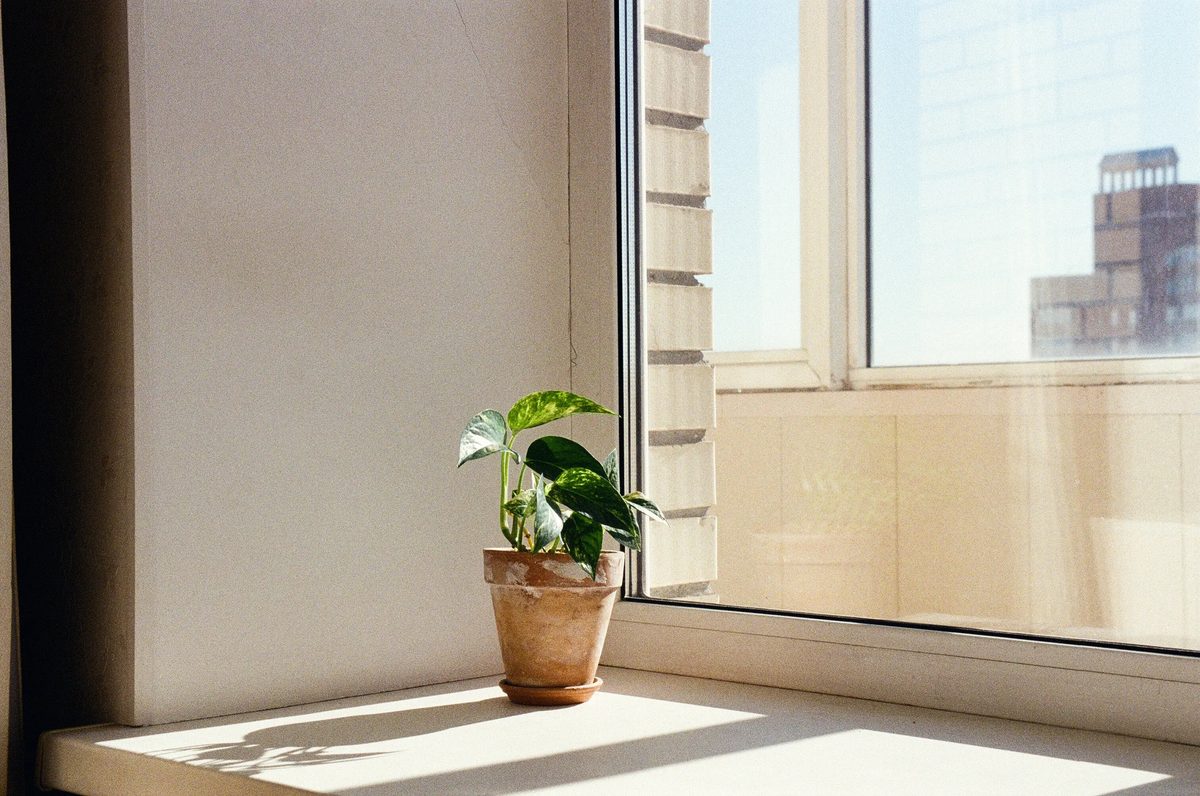
Match the plant to your light first — fishbone cactus wants bright indirect light, and most failures are light failures: too dark and the zigzags grow thin and pale, too much direct sun and the stems scorch red.
Step 2
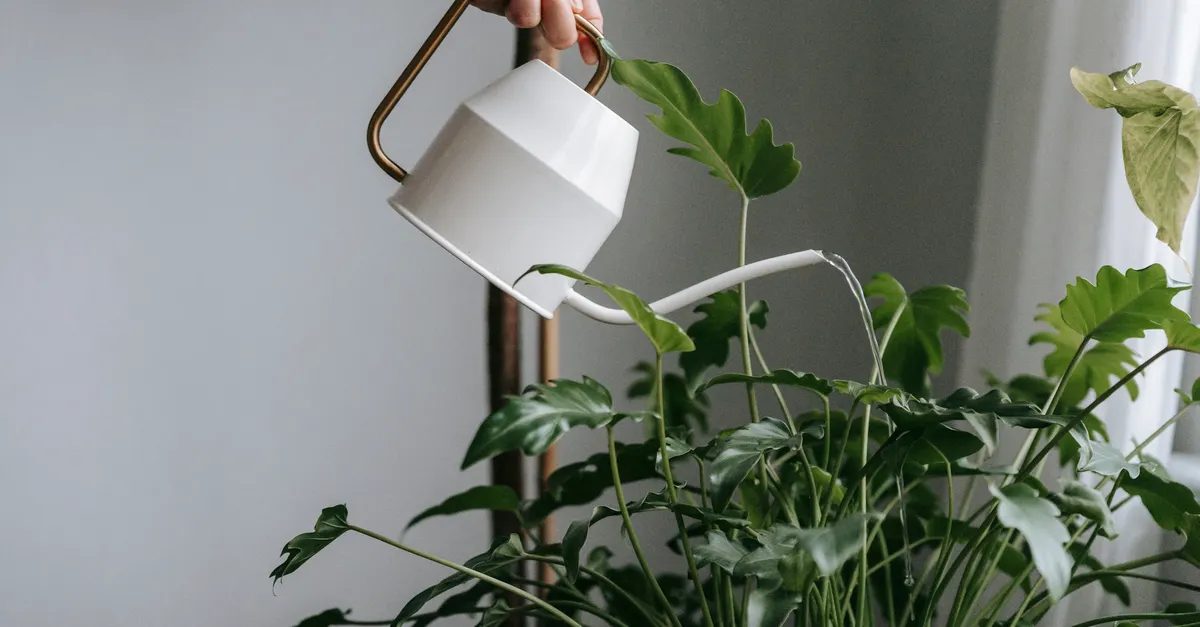
Water by the soak-and-dry method: drench, drain fully, and never leave the pot standing in water — this is a jungle cactus, so it drinks more than a desert cactus, but soggy mix still rots it.

Step 3
Feed once a month while it is growing, from spring to early autumn, then stop for winter — a half-strength balanced liquid feed is plenty, and full-strength feed burns the fine roots.
Step 4
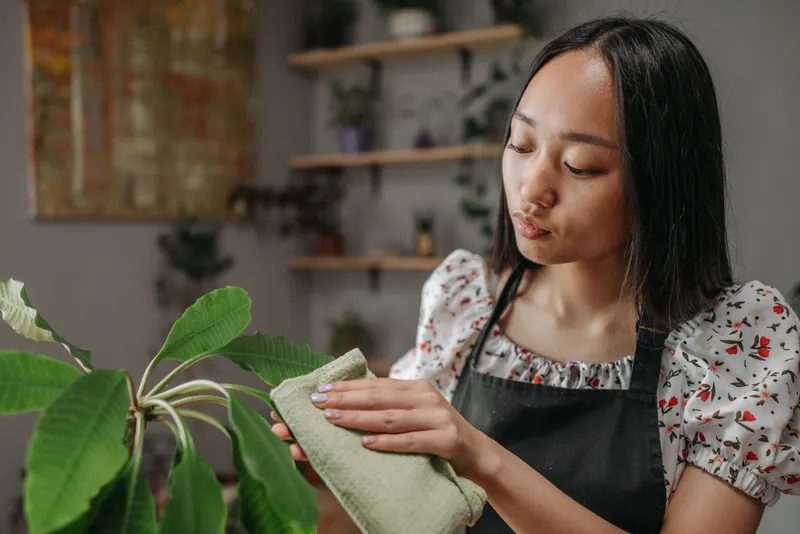
Wipe the flat stems gently with a damp cloth monthly so dust does not dim the light the plant lives on — the wide zigzag stems collect dust fast, and a clean stem photosynthesizes better.
Step 5
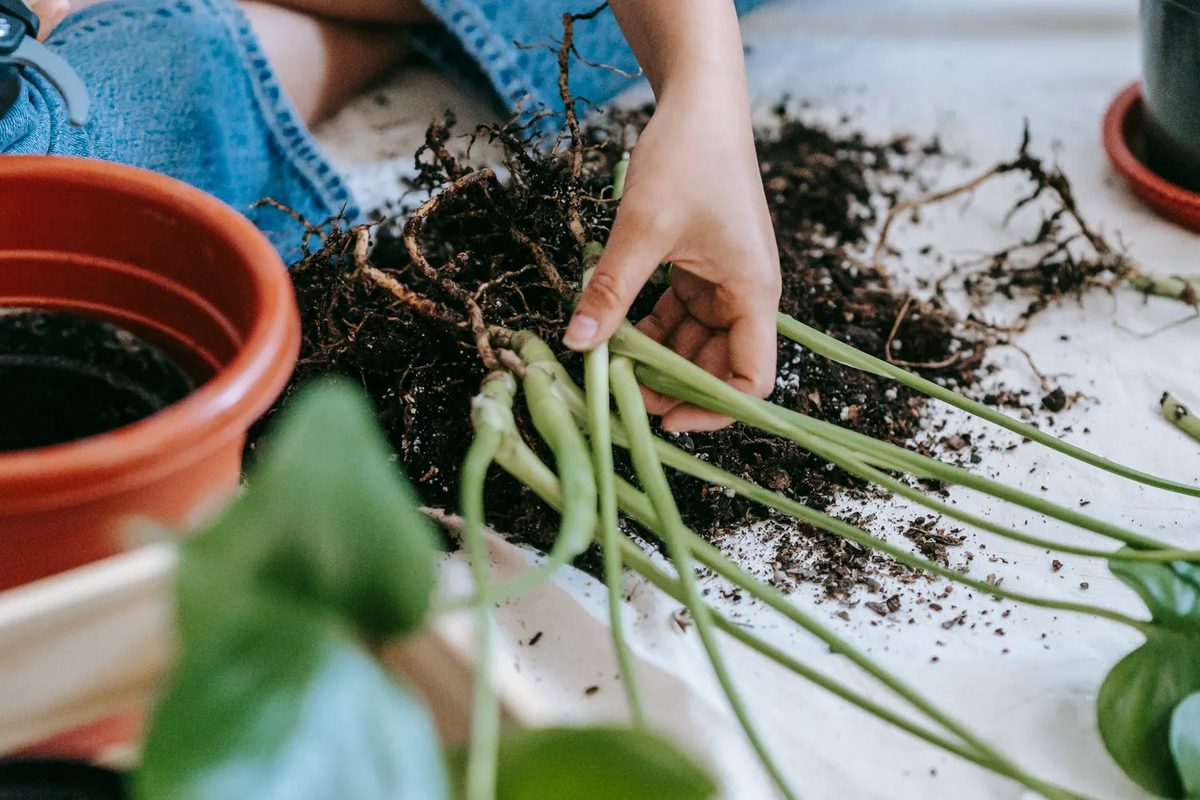
Repot one size up when roots circle the drainage hole, ideally in spring — use a bark-rich mix that drains fast, and wait a week before watering the repotted plant.
Expert tip
Write down the date you do this. Gardening advice is full of ‘weeks later’ — and the gardeners who improve fastest are the ones who can check what ‘later’ actually was.
Common mistakes
Watch out for
- Treating it like a desert cactus — it comes from Mexican rainforest trees, so it wants regular water and humidity, not months of drought.
- Watering on a fixed schedule instead of checking the mix — the bark mix dries unevenly; water when the top inch is dry.
- Moving it into direct noon sun straight from a shop shelf — the flat stems scorch and turn red; bright indirect light is what keeps them green and wide.
Keep exploring this topic with How to Grow Flowers Indoors, or browse the full Houseplants & Indoor Care section.
Frequently asked questions
Why is my fishbone cactus turning red?
Sun stress. The stems blush red in too much direct sun. Move it back from the window and the new growth comes through green again.
Does the fishbone cactus flower?
Yes — mature plants open large, sweetly scented white flowers at night, usually in late spring. They last a single night, so enjoy them when they appear.