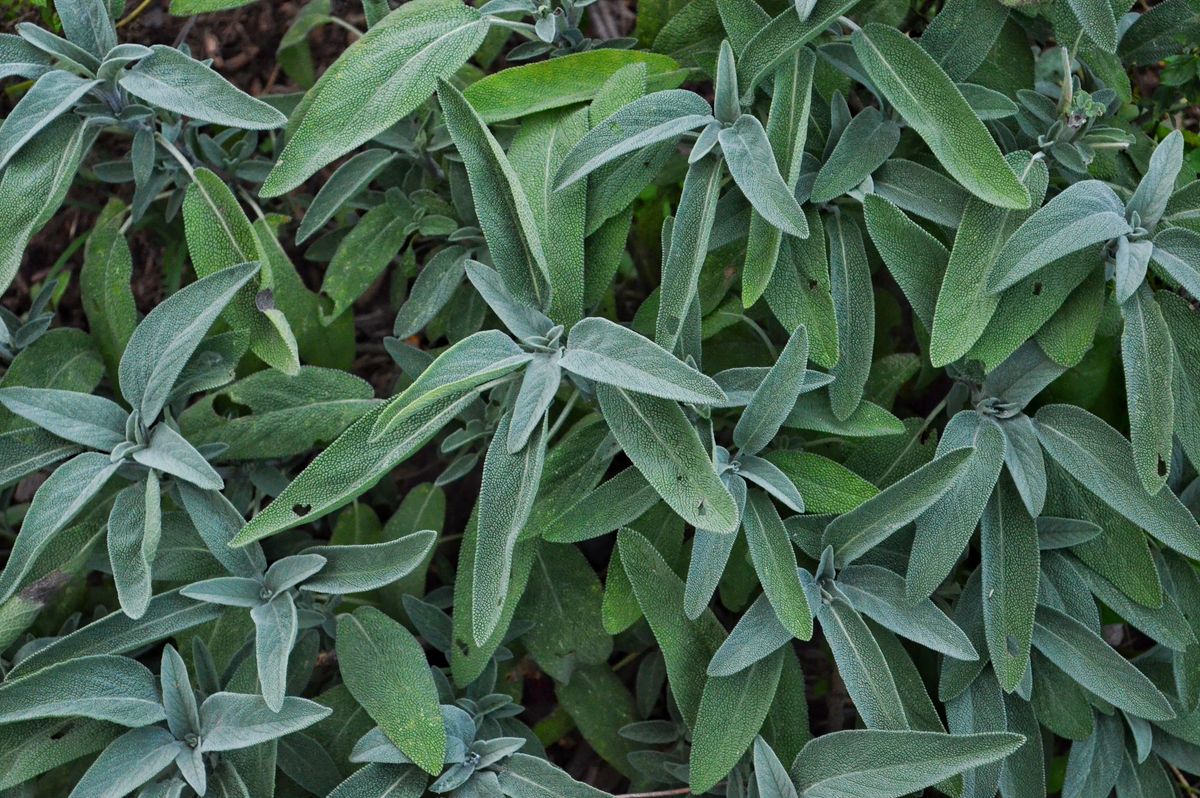
The classic kitchen herb that asks for sun, sharp drainage and almost no fuss. Growing garden sage from a young plant to a woody, leafy shrub. It sounds specialist, but like most gardening it comes down to a few fundamentals done in the right order — this guide walks through them one at a time, with the timings and quantities that actually matter.
What you will need
- A young garden sage plant or seed
- The sunniest, driest spot in the garden
- Sharp, sandy soil or grit to open heavy ground
- A terracotta pot if your soil stays wet
- Sharp scissors or pruners for harvest
- A gravel mulch, not bark
Step by step
Step 1
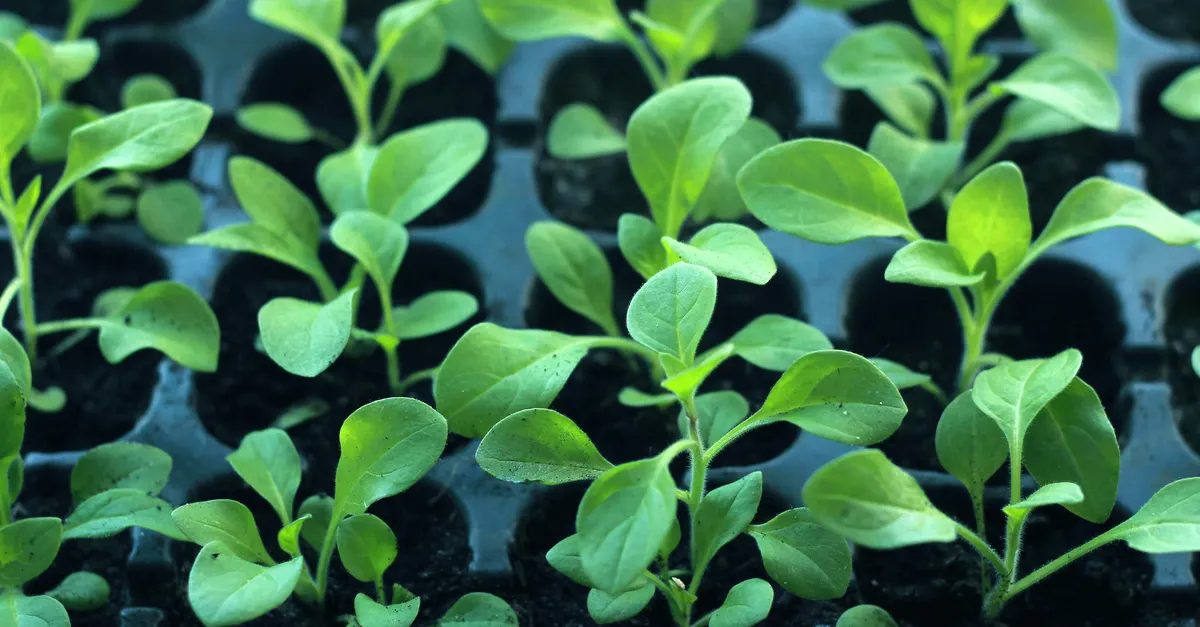
Start sage in spring once nights stay reliably above 7°C (45°F) — set out a young plant or sow seed indoors six weeks earlier, and harden it off for a week before it goes outside.
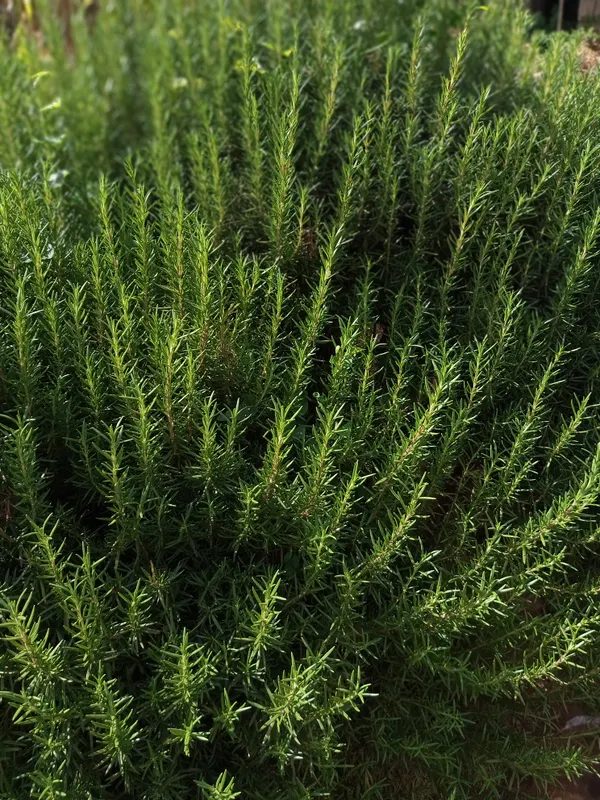
Step 2
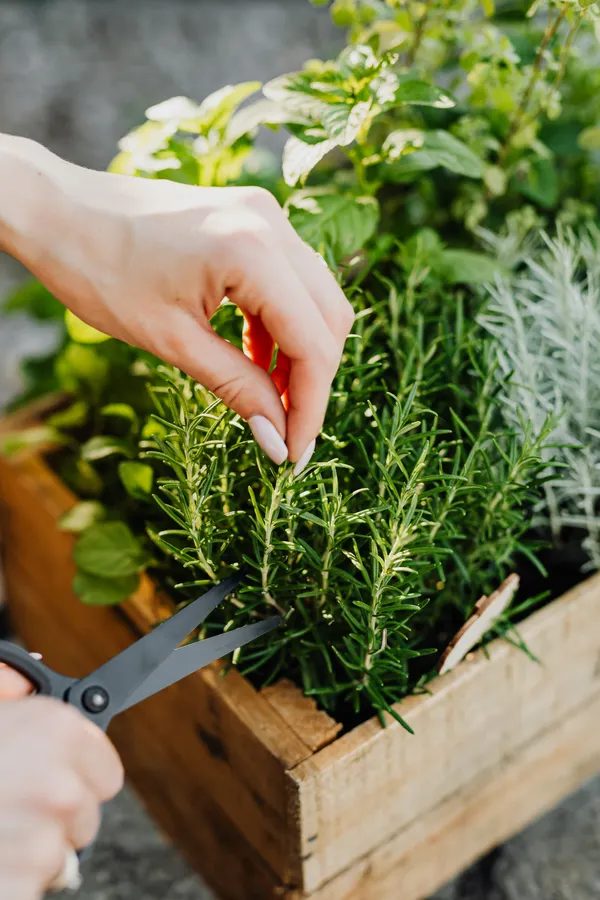
Give sage the driest, sunniest spot you have — it is a Mediterranean herb, so full sun and sharp drainage matter more than rich soil, and wet feet kill it faster than drought.
Step 3
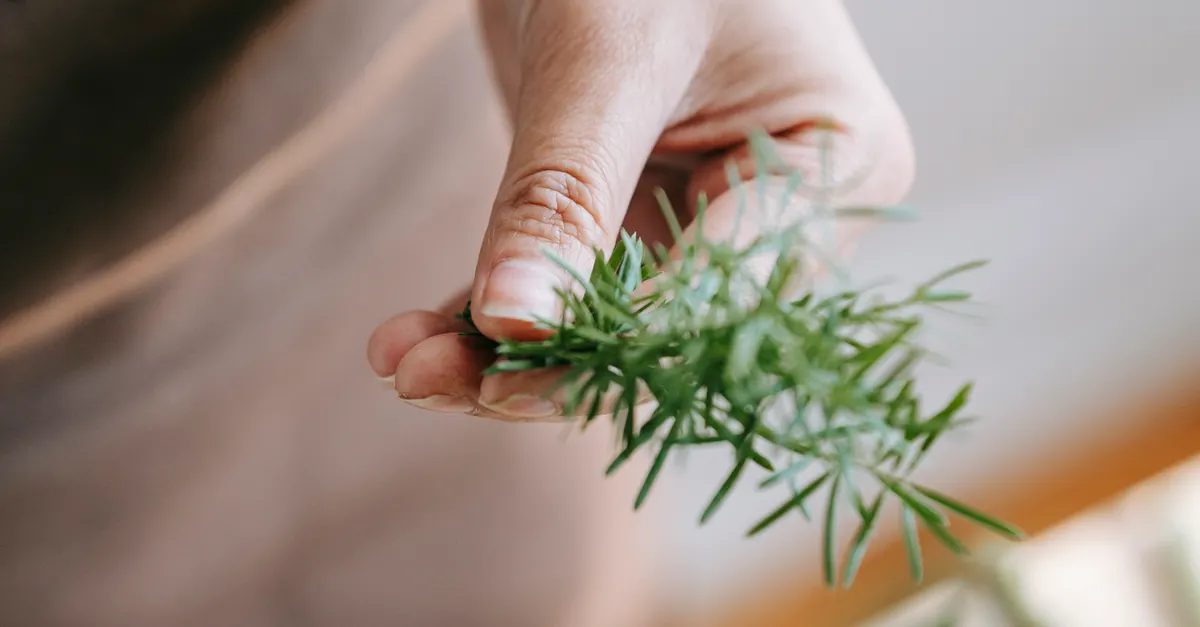
Harvest little and often, cutting just above a leaf pair to trigger bushy regrowth — regular light picking keeps the plant leafy instead of woody and bare at the base.
Step 4
Never take more than a third of the plant at once — sage regrows slowly from old wood, so a hard cut back to bare stems can leave a gap that never fills.
Step 5
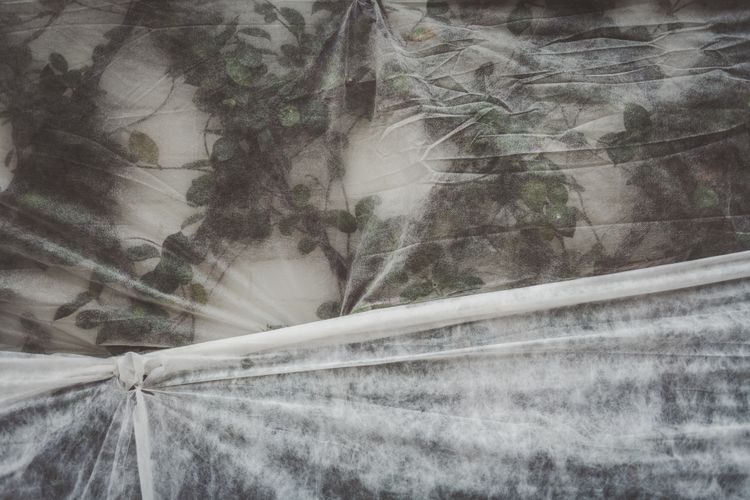
Bring potted sage under cover before the first autumn frost — in-ground plants are hardy, but a pot freezes through, so move containers to a cold porch or unheated greenhouse for winter.
Expert tip
Write down the date you do this. Gardening advice is full of ‘weeks later’ — and the gardeners who improve fastest are the ones who can check what ‘later’ actually was.
Common mistakes
Watch out for
- Planting sage in rich, wet soil — it grows soft and leggy, then rots at the crown; lean, gritty ground grows the toughest, most fragrant plants.
- Watering sage like a vegetable — it needs water only while it settles in; an established plant prefers to stay dry.
- Cutting back into old bare wood — sage rarely resprouts from leafless stems, so always cut above live leaves.
Keep exploring this topic with How to Plant Marigold Seeds, or browse the full Herbs section.
Frequently asked questions
Is garden sage the same as Mexican sage?
No — garden sage is Salvia officinalis, the gray-green culinary herb. Mexican sage (Salvia leucantha) is a taller, purple-flowered ornamental with a different habit and much less kitchen use.
How long does a sage plant live?
About four to six years in the ground. Plants get woody with age, so take cuttings in summer and start a fresh plant every few years.