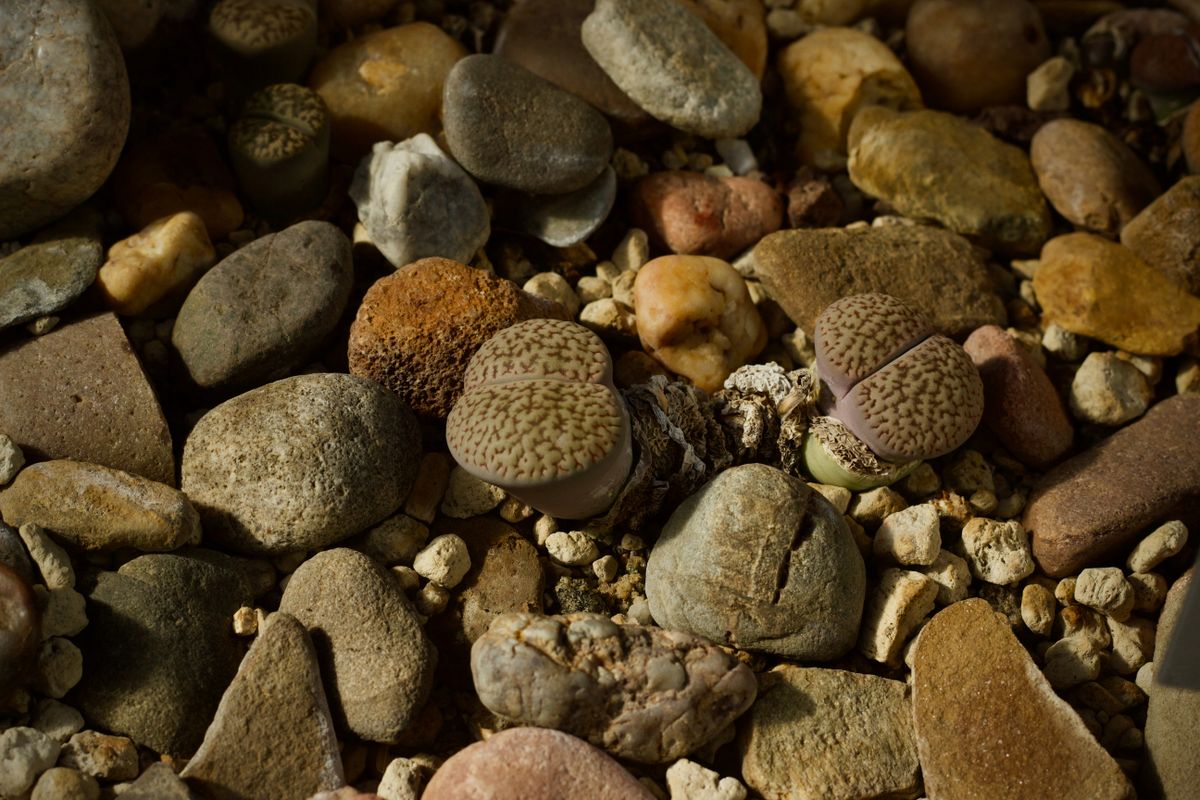
A succulent that pretends to be a pebble and hates being watered like one. The light, soil and near-drought routine that keeps lithops alive. It sounds specialist, but like most gardening it comes down to a few fundamentals done in the right order — this guide walks through them one at a time, with the timings and quantities that actually matter.
What you will need
- A lithops in a shallow, wide pot
- Very gritty cactus mix, at least half coarse grit or perlite
- A top dressing of small pebbles
- The brightest windowsill in the house
- A watering can with a narrow spout
- A soft dry brush for dusting the leaves
Step by step
Step 1
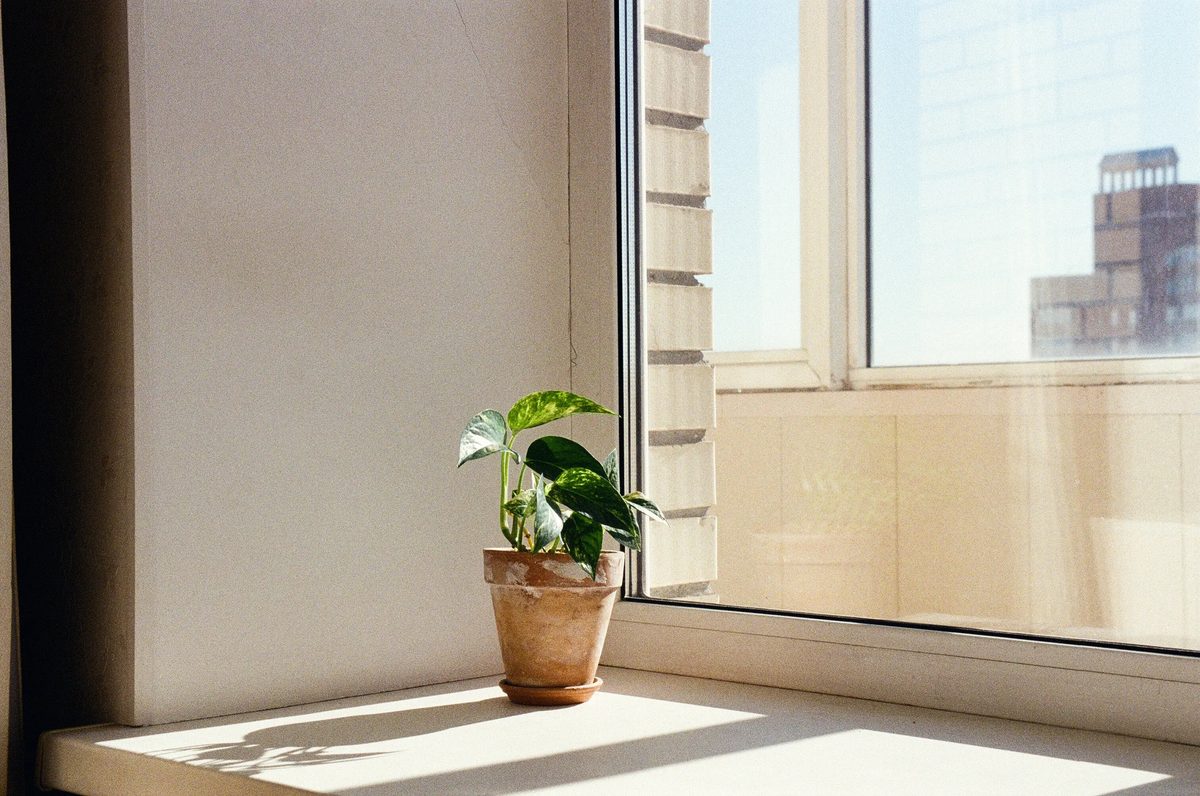
Match the plant to your light first — lithops need the brightest windowsill you have, full sun for most of the day; a dim shelf makes them stretch tall and lose their stone shape.
Step 2
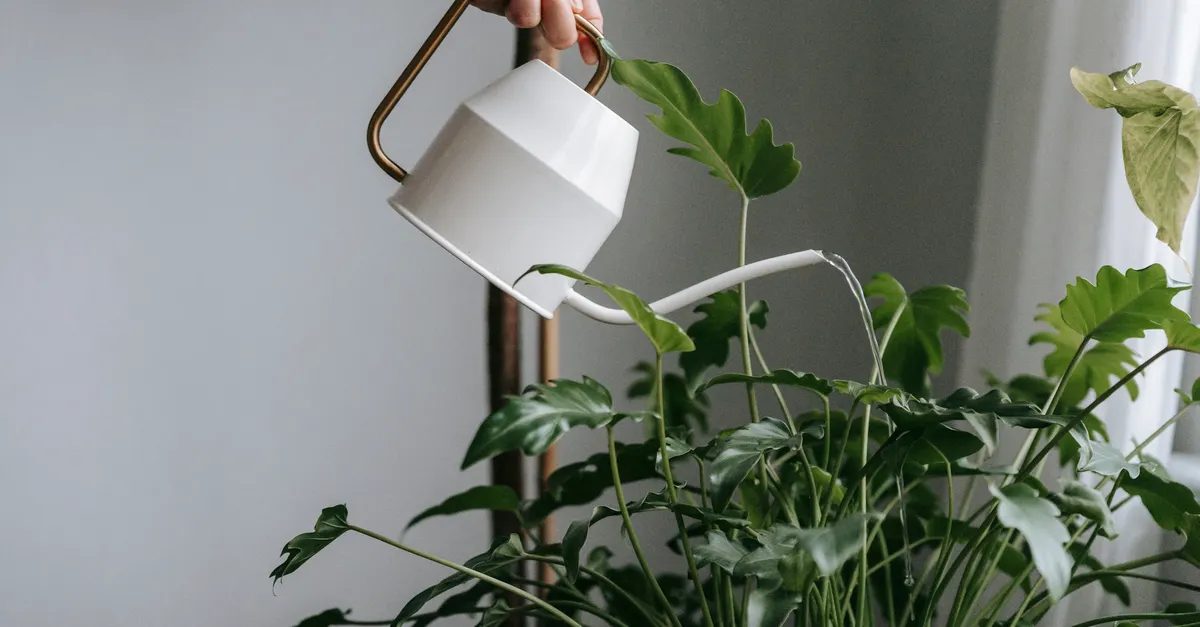
Water by the soak-and-dry method: drench, drain fully, and never leave the pot standing in water — then wait until the soil is bone dry and the old leaves have shriveled before you water again, which can mean weeks.
Step 3
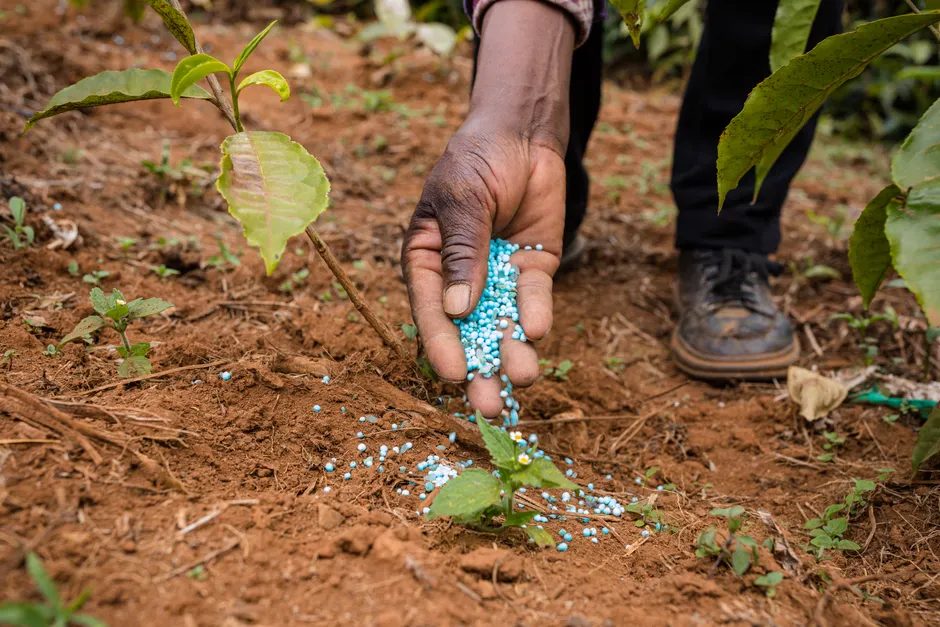
Feed monthly from spring to early autumn, at quarter strength; stop in winter when growth pauses — a weak cactus feed once a month is plenty, and full-strength feed burns the roots.
Step 4
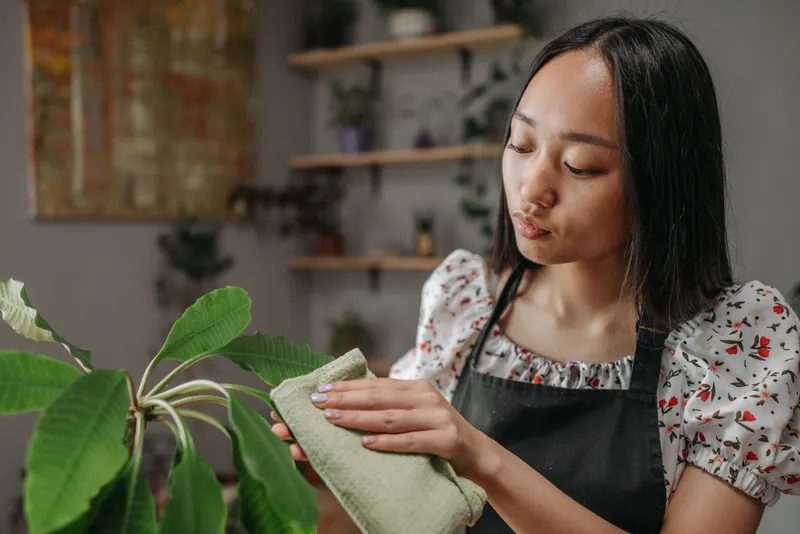
Brush dust off the leaf tops monthly with a soft dry brush so light reaches the clear leaf windows — dusty tops dim the light the plant lives on, and a dry brush is safer than a wet cloth on these fleshy leaves.
Step 5
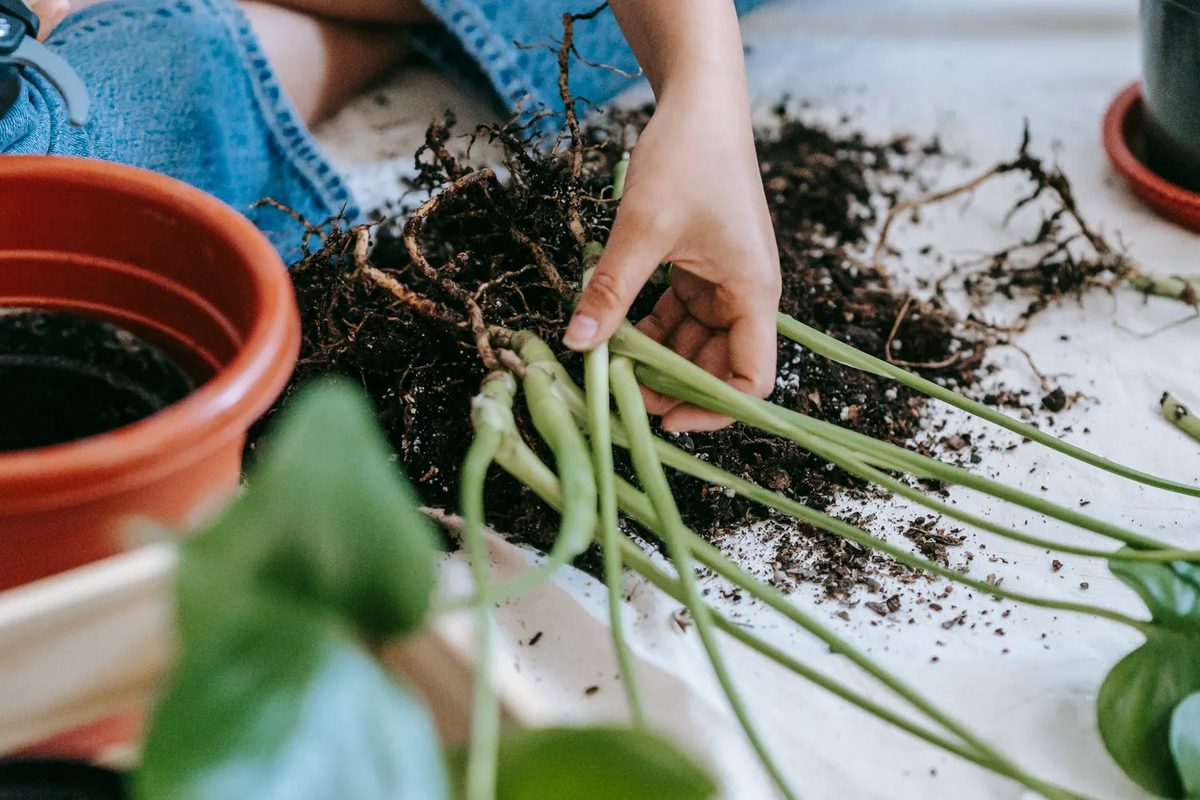
Repot one size up when roots circle the drainage hole, ideally in spring — use a deep pot for the taproot, fresh gritty mix, and wait a week before watering the repotted plant.
Expert tip
Write down the date you do this. Gardening advice is full of ‘weeks later’ — and the gardeners who improve fastest are the ones who can check what ‘later’ actually was.
Common mistakes
Watch out for
- Watering on a schedule — lithops rot fast in damp soil; water only when the old leaves shrivel and the soil is completely dry.
- Watering while the new leaves split through — the old pair must dry out on its own; watering then traps moisture and rots the plant.
- Growing lithops in ordinary potting soil — it holds far too much water; use at least half coarse grit or perlite.
Keep exploring this topic with How to Grow Flowers Indoors, or browse the full Houseplants & Indoor Care section.
Frequently asked questions
Why does my lithops look like a stone?
That is the point — in the wild it hides from grazing animals by mimicking pebbles. The split top is two fleshy leaves, and new growth pushes up through the crack each year.
Do lithops flower?
Yes — a daisy-like white or yellow flower opens from the central fissure in late summer or autumn, usually on plants at least three years old.