A hedge is a long-term planting, so spacing and soil matter more than speed. Single rows, staggered rows and aftercare. It sounds specialist, but like most gardening it comes down to a few fundamentals done in the right order — this guide walks through them one at a time, with the timings and quantities that actually matter.
What you will need
- Hedge plants to suit your site — yew, beech, privet or laurel
- A tape measure and string line
- A spade and a wheelbarrow
- Compost for the planting trench
- Mulch to hold moisture while roots establish
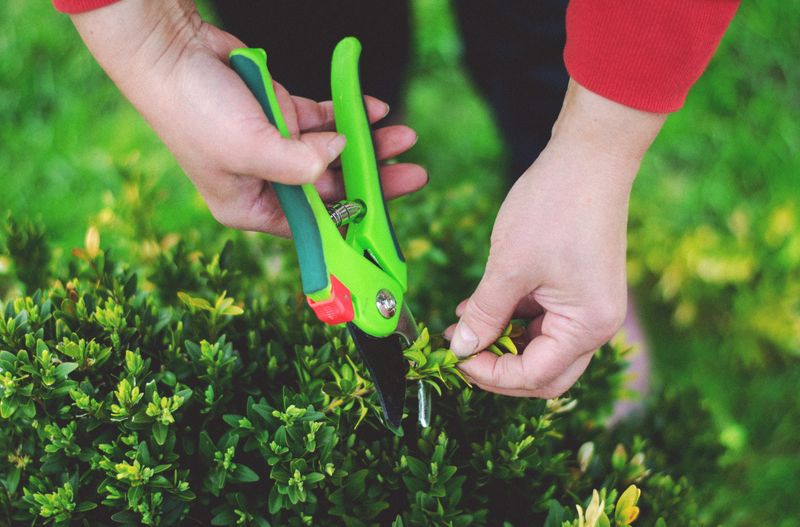
- Secateurs or shears for the first trim
Step by step
Step 1
Sketch the hedge line and measure the run before you buy — spacing is decided on paper, not at the nursery: a hedge planted too tight starves, and one planted too wide takes years to close.
Step 2
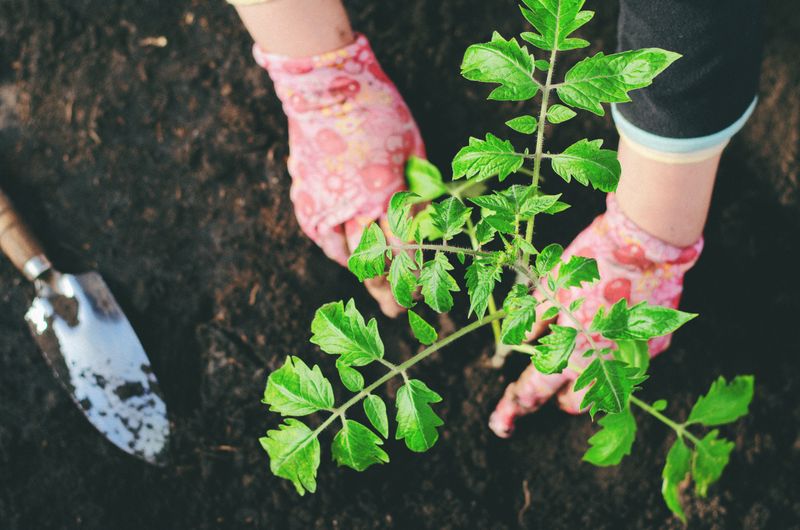
Fix levels and drainage first — a hedge fails underground before it fails on top, so dig a trench a spade deep and wide, work in compost, and never plant where water stands after rain.
Step 3
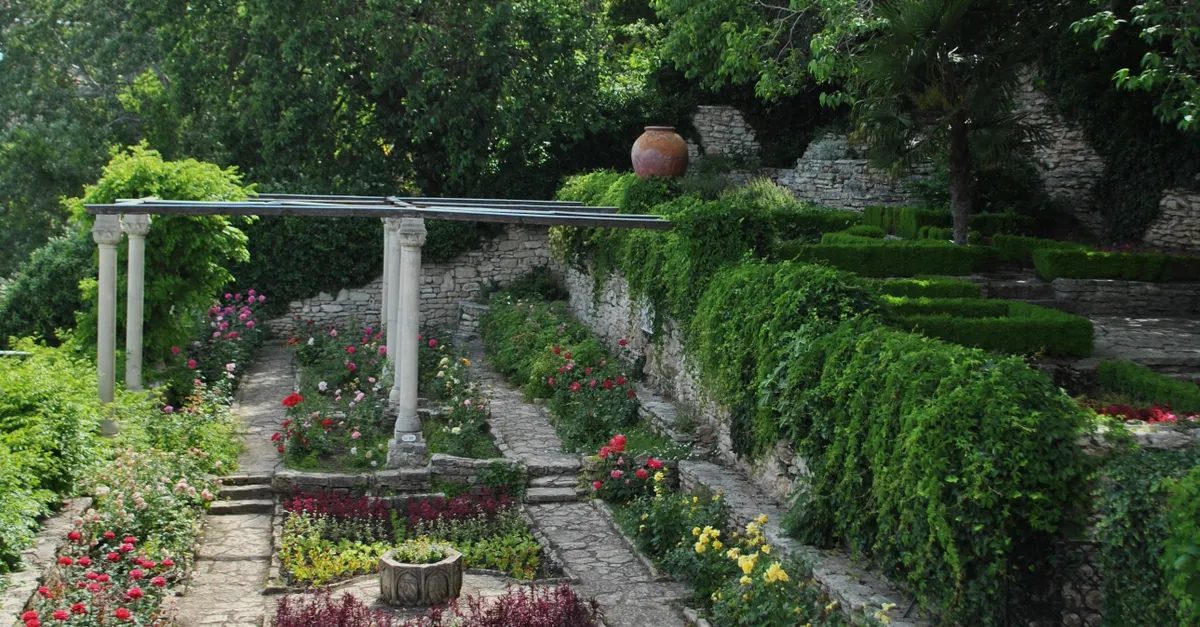
Set the hedge where it frames the garden — along the path or boundary you sketched — planting a single row for a formal hedge or a staggered double row for a thick screen, spaced by each plant's mature width.
Step 4
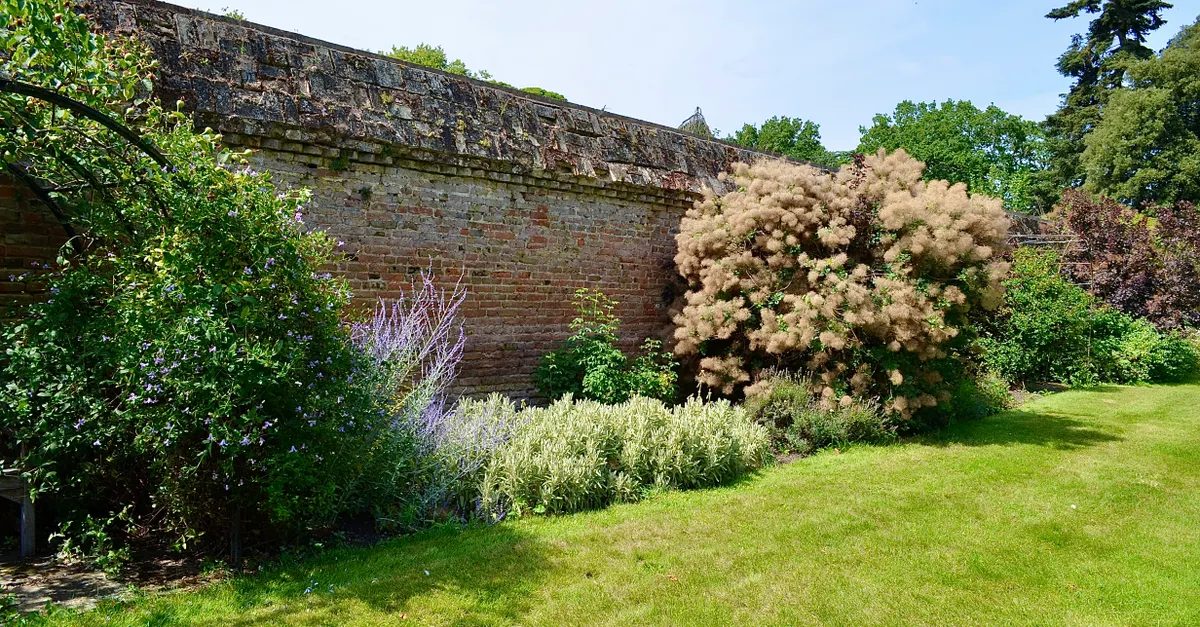
Plant in layers around the hedge — low shrubs at its feet, perennials in front and ground cover at the edge — so the hedge reads as the back wall of a planted border, not a lone green fence.
Step 5
Live with it a season before hard-landscaping the last details — watch where the shade falls and how the hedge fills, then set paths and edges to suit the planting, not the other way around.
Expert tip
Write down the date you do this. Gardening advice is full of ‘weeks later’ — and the gardeners who improve fastest are the ones who can check what ‘later’ actually was.
Common mistakes
Watch out for
- Planting fast-growing shrubs at houseplant spacing — a laurel planted a foot apart becomes a wall of bare stems; space by mature width, not pot size.
- Skipping the trench and planting into unimproved lawn — hedge roots compete with grass and dry out; a dug, composted trench is what gets a hedge established in year one.
- Trimming the top before the sides — a hedge trimmed narrow at the base shades itself out and goes bare at the bottom; keep the base wider than the top.
Keep exploring this topic with Terraced Gardening on a Slope, or browse the full Backyard Landscaping section.
Frequently asked questions
How far apart should I plant a hedge?
It depends on the plant: beech and yew about 18 inches apart in a single row, privet 12 inches, laurel 2 to 3 feet. A staggered double row — two rows 18 inches apart with plants offset — closes faster and makes a thicker screen.
When is the best time to plant a hedge?
Autumn is best for bare-root plants, when the soil is still warm and roots grow all winter. Container-grown plants go in any time the ground is not frozen, but autumn planting still establishes fastest.