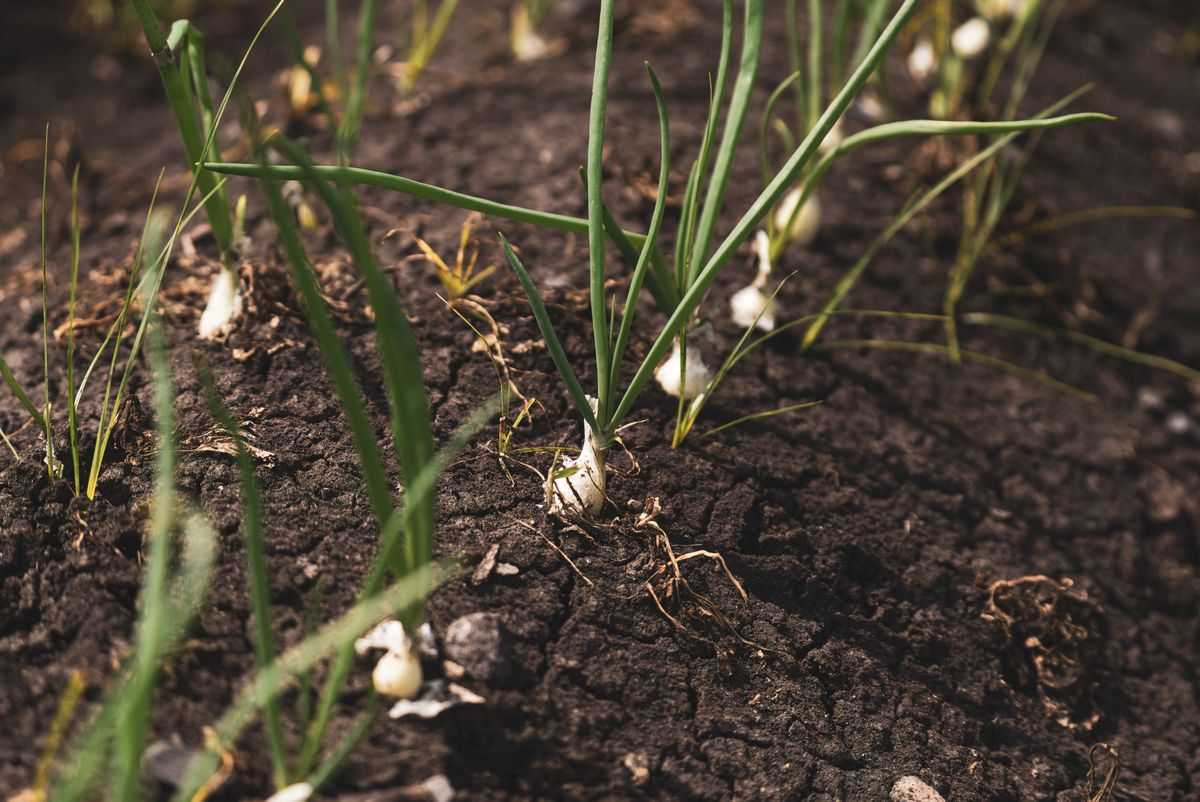
Tree onions grow bulbils on top of their stalks, then bend over and plant the next generation themselves. Plant once, harvest green onions for years. It sounds specialist, but like most gardening it comes down to a few fundamentals done in the right order — this guide walks through them one at a time, with the timings and quantities that actually matter.
What you will need
- Tree onion bulbils (topsets) or a starter clump
- A sunny bed with loose, well-drained soil
- Compost for the bed
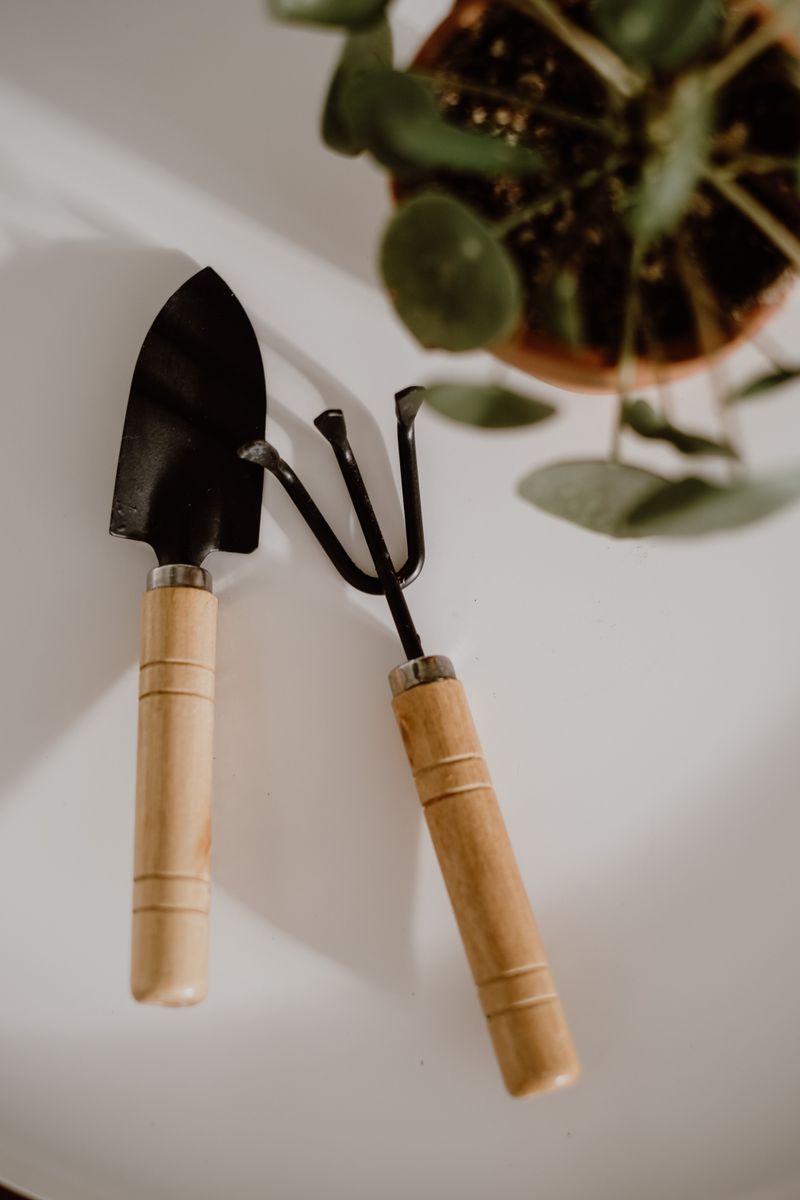
- A watering can or hose
- Mulch for the soil surface
- Labels — onion seedlings all look alike
Step by step
Step 1
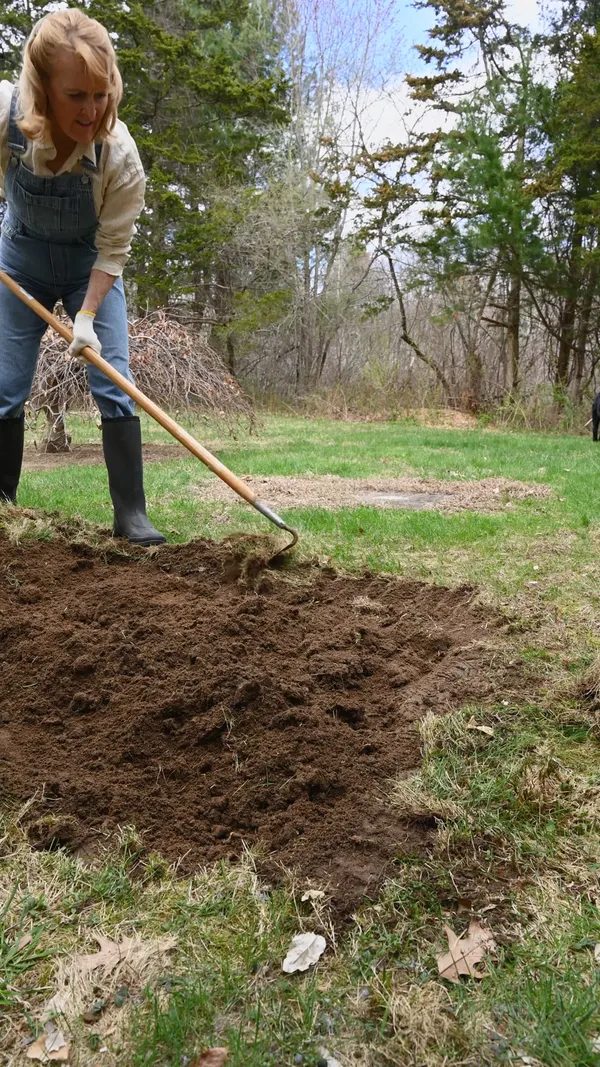
Prepare the bed: clear weeds and fork in 2 inches of compost — tree onions are hungry like other onions, and loose, rich soil lets the bulbs size up instead of sitting stunted.
Step 2
Plant in late summer or early autumn, once the heat has passed — tree onions are hardy perennials, and autumn-planted bulbils root before winter and shoot away in spring.
Step 3
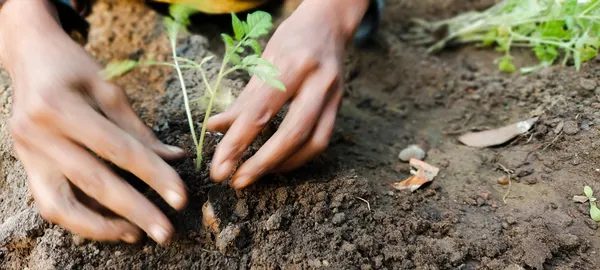
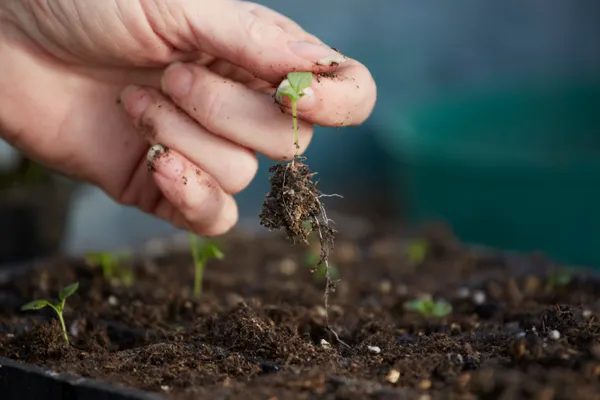
Set the bulbils 2 inches deep and 6 inches apart, or plant a starter clump at its final spacing — then thin bravely, pulling the weakest shoots so the rest have room to form full bulbs.
Step 4
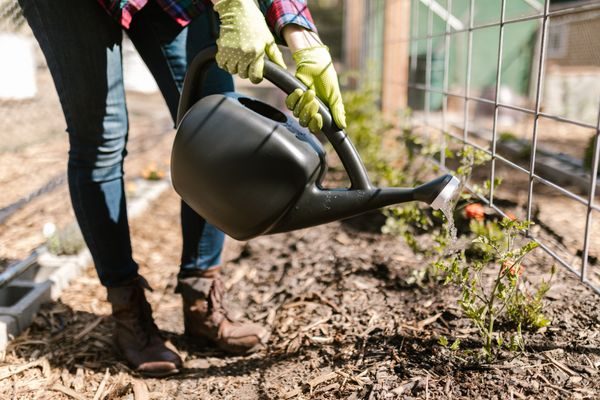
Water in well and mulch the surface, keeping mulch off the stems — steady moisture at the roots keeps the green tops growing, and dry soil turns them tough and papery.
Step 5
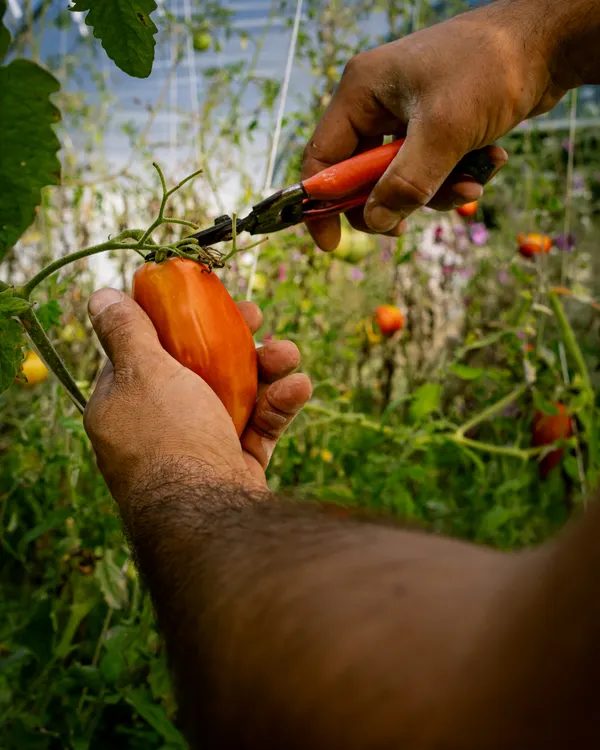
Feed and inspect twice a week through the growing season; harvest the green tops little and often, and leave a few stalks standing each year so their bulbils bend down and plant the next generation.
Expert tip
Write down the date you do this. Gardening advice is full of ‘weeks later’ — and the gardeners who improve fastest are the ones who can check what ‘later’ actually was.
Common mistakes
Watch out for
- Harvesting every stalk to the ground — with no topsets left standing, the clump cannot walk and renew itself.
- Planting in heavy, wet soil — tree onion bulbs rot in standing water, so give them the driest bed you have.
- Pulling the whole plant for one meal — cut the green tops and leave the bulb, and the same plant feeds you again within weeks.
Keep exploring this topic with How to Start a Vegetable Garden, or browse the full Vegetable Gardening section.
Frequently asked questions
Do tree onions really plant themselves?
Yes. Each stalk grows a cluster of small bulbils where flowers would be. As the cluster grows heavy, the stalk bends to the ground and the bulbils root a foot or so from the parent — that is the 'walking' habit.
How do I eat tree onions?
Use the hollow green tops like spring onions, and the small underground bulbs like shallots. The topsets themselves are edible too — pickle them whole or replant them.