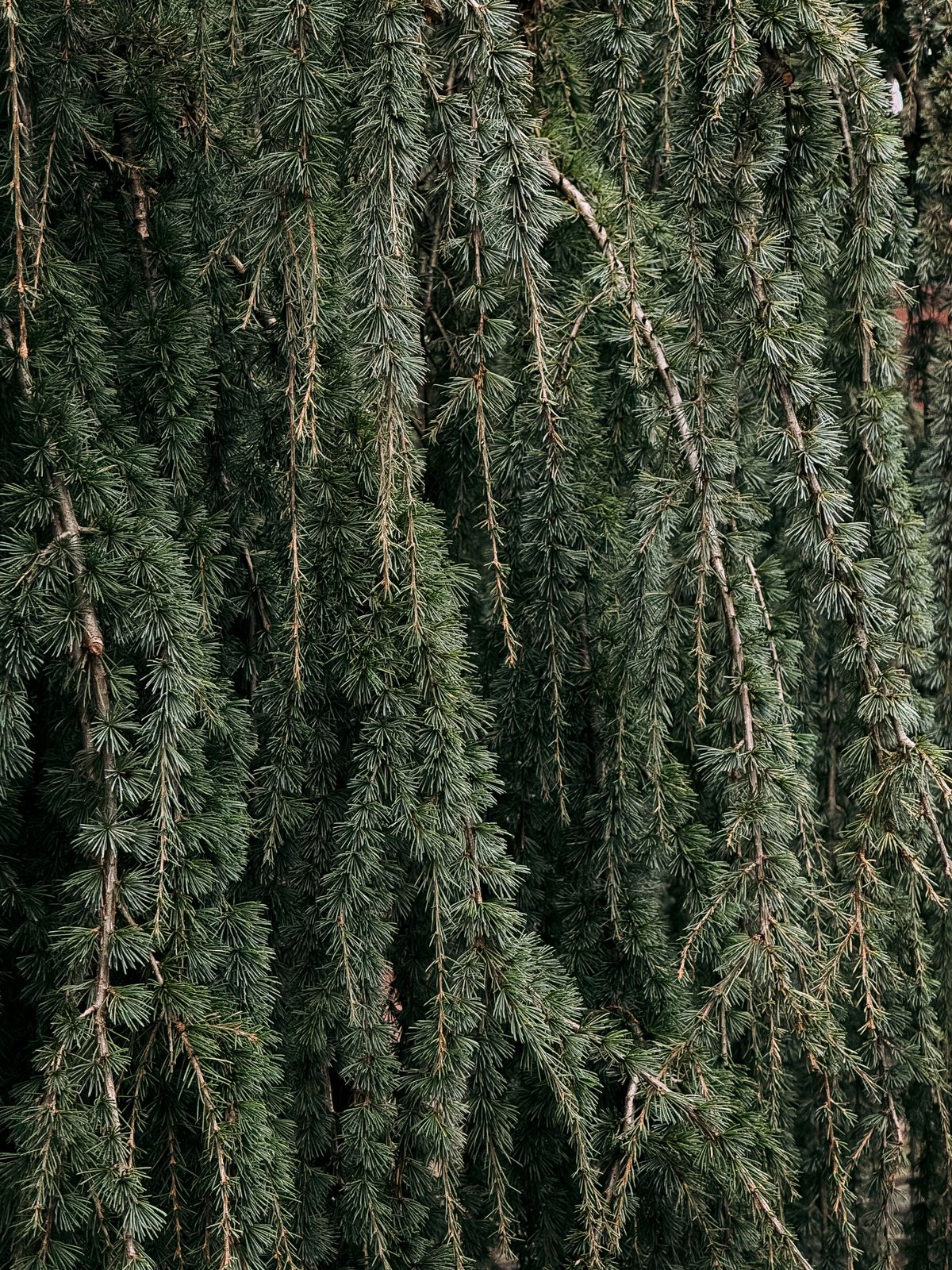
A weeping blue Atlas cedar drapes the garden in silver-blue needles all year. Where to plant it, how to train it, and how to keep its color. It sounds specialist, but like most gardening it comes down to a few fundamentals done in the right order — this guide walks through them one at a time, with the timings and quantities that actually matter.
What you will need
- A young weeping blue Atlas cedar, staked or trained
- A sunny, sheltered spot with room to spread
- Well-drained soil, slightly acid if you can manage it
- Compost for the planting hole
- Mulch of bark or pine needles
- A tall stake and soft ties for training the leader
Step by step
Step 1
Sketch the space and mark where the cedar will stand before you dig — a weeping blue Atlas cedar spreads wide and drapes for decades, so give it room from the start and never plan to move it.
Step 2
Fix levels and drainage first; a cedar fails underground before it fails on top — plant on a slight mound in heavy soil, and never let the roots sit in standing water.

Step 3
Build the structure first: set a tall, sturdy stake and tie the young leader upright — the tree weeps from whatever height you train the leader to, so the stake decides the shape of the whole tree.
Step 4
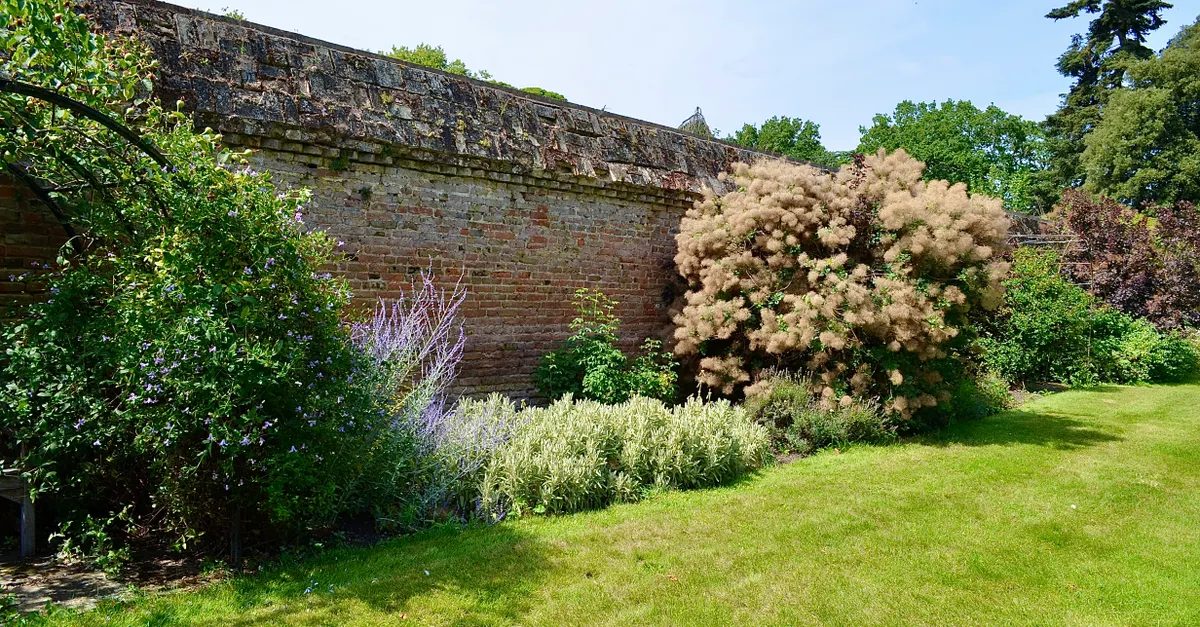
Plant in layers around it — low shrubs and perennials beneath, ground cover at the edge — and let the cedar's silver-blue curtain be the canopy that frames the bed.
Step 5
Live with it a season before hard-landscaping the last details — watch how the branches drape and where the shade falls, then set paths and edges to suit the tree, not the other way around.
Expert tip
Write down the date you do this. Gardening advice is full of ‘weeks later’ — and the gardeners who improve fastest are the ones who can check what ‘later’ actually was.
Common mistakes
Watch out for
- Planting it in a tight corner — a weeping cedar needs several meters of clear air, and cramped branches turn brown inside.
- Cutting the leader off at the height you want — the tree stops growing up and the weeping shape stalls; train it to height, then let it cascade.
- Watering the foliage in the evening — wet needles invite fungal disease; water the root zone in the morning instead.
Keep exploring this topic with Terraced Gardening on a Slope, or browse the full Backyard Landscaping section.
Frequently asked questions
How big does a weeping blue Atlas cedar get?
Slowly very big: 15 to 30 feet tall and at least as wide over decades, depending on how high you train the leader. Give it a spot where it can spread for 30 years.
Why is my blue Atlas cedar turning green?
Shade and rich feeding push green growth. Full sun keeps the silver-blue color, and lean soil grows the bluest needles — skip the fertilizer.